
Should I Get a Hearing Test After a Concert or Festival?
Anyone who has spent an evening at the Tupelo Elvis Festival downtown or
By: Rhonda Sage, M.S., CCC-A | June 25, 2026
Tupelo springs have a way of catching you off guard. The humidity rolls in early, and by April, you’re stepping outside into air that feels thick before the day even gets started. For hearing aid wearers, that shift in weather is more than just uncomfortable.
It’s easy to pick up a little extra moisture without realizing it. Time outside in the heat, a long walk or even an afternoon spent at a ballgame can all expose hearing aids to more moisture than you might expect.
What makes moisture so frustrating is that the effects aren’t always immediate. It can accumulate over time, and you may not notice a problem until sounds become muffled, you hear static or your hearing aids stop working as reliably as they should.
The good habits are usually the simplest ones, and they’re often enough to keep moisture from becoming a bigger problem.
Springtime across Northeast Mississippi brings beautiful blooms along with heavy early-season humidity and sudden temperature swings. Spending time outside doing yard work or enjoying an evening of porch sitting means dealing with plenty of damp air and sweat.
This extra moisture easily works its way into your hearing aids during daily activities. When dampness builds up inside the casings, it can cause the devices to function poorly or feel uncomfortable to wear.
An audiologist often sees an increase in performance issues during these muggy months because water drops block sound ports and degrade components. Many people notice their devices cutting out or working poorly once the weather gets sticky.
Moisture damage doesn’t always build up slowly. Sometimes you notice it the same day, sound cutting out while you’re talking to someone or everything going quieter than it should be.
If your hearing aids start acting up after a humid afternoon or a sweaty workout, that’s your sign to take a closer look before it gets worse. Watch out for these common signs that moisture has made its way inside your devices:
Not every hearing aid deals with moisture the same way, and knowing how your specific style is affected can help you take better care of it.
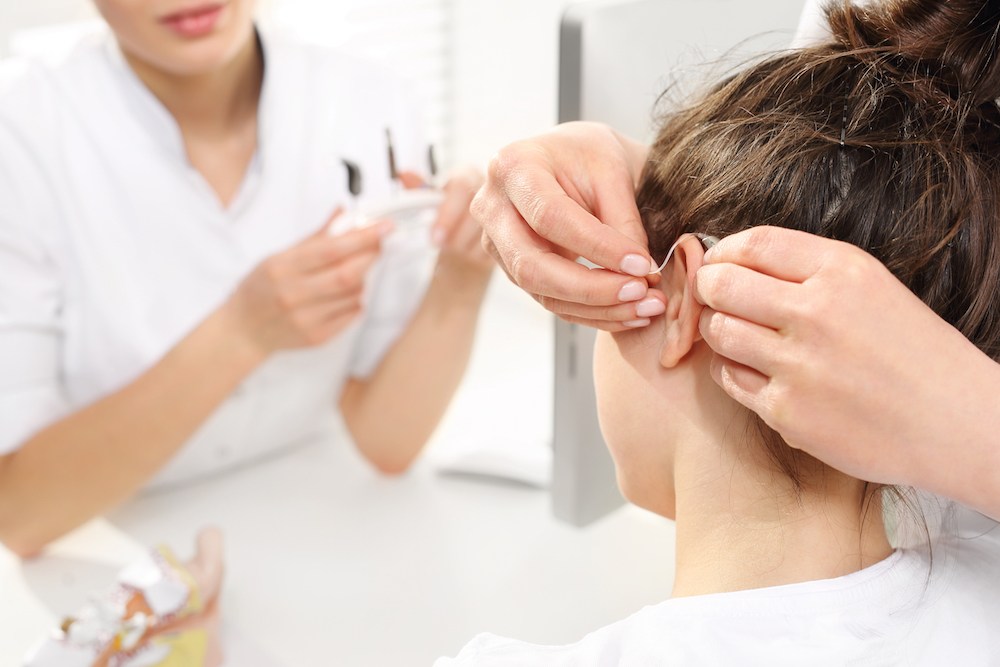
Behind-the-ear (BTE) models sit against the skin, which means sweat from your face or hairline runs right past them. Moisture can work its way into the microphone ports and battery door seams easily, so a quick daily wipe-down matters more than it might seem.
Receiver-in-canal (RIC) models have a wire that runs along the outer ear and connects to a small speaker sitting inside the canal. That wire picks up sweat throughout the day, so wiping it down is worth adding to your routine.
Completely-in-canal (CIC) devices sit deeper and get a bit more natural shelter from direct exposure, but the ear canal still generates its own warmth and moisture, and the compact size makes them harder to dry thoroughly at home.
In-the-ear (ITE) styles face a different situation entirely. Because they sit inside the ear canal, body heat has nowhere to go, and that trapped warmth creates its own humid environment that can clog sound outlets and cause muffling that comes and goes.
If you’re not sure how your specific model holds up to moisture or what accessories might help, it’s worth asking at your next appointment.
Staying active outside does not mean you have to constantly worry about perspiration ruining your day. Choosing the right clothing makes a big difference in how much moisture builds up around your head.
Wearing lightweight, moisture-wicking fabrics pulls sweat away from your skin so it can evaporate quickly. Breathable hats or headbands also work well to stop sweat from running down your face and into your ears.
Once you come back inside, taking a few minutes for a quick cleanup protects your ears and your devices. Your audiologist will likely recommend drying the skin around your ears with a soft towel right after you finish your yard work or exercise.
This simple habit keeps dampness from pooling on your skin and creeping into the microphone ports later. An audiologist can also suggest custom earplugs if you plan to swim or spend time around the water this season.
Establishing a regular habit at the end of each day prevents sweat from causing long-term trouble. Spending a few minutes before bed protects your devices and keeps the sound reliable.
Your audiologist can show you the best tools to maintain your devices without damaging the sensitive internal parts. You can keep your devices dry and working properly by adding these quick steps to your nightly routine:
Humidity in the air can seep into your hearing aids even when they are sitting on your nightstand. Leaving them out on a counter allows dampness from a steamy shower or a rainy day to settle inside the delicate parts.
An audiologist recommends using active storage solutions like drying kits to pull that ambient moisture out before it can cause trouble. These storage options create a controlled environment that dries the interior components while you sleep.
A cloth can only do so much. Electronic dehumidifiers pull moisture out of the inside of your devices overnight, which is where the damage usually starts anyway.
There are simple dry cup options and plug-in electronic units, and the right choice depends on your routine and how much moisture your devices tend to pick up. Your audiologist can help you figure out which one makes the most sense for how you live.
Sometimes, even the best nightly drying habits cannot save a device that has taken on too much moisture. If you notice persistent static, muffled sound or a device that completely cuts out after spending a night in a dehumidifier, it is time to seek help.
If your devices took on serious moisture, it’s worth getting them looked at sooner rather than later. Corrosion spreads, and what might be a fixable problem one week can turn into something much harder to address the next.
A thorough in-office inspection can find moisture and buildup in places you’d never spot at home, and there’s equipment available to pull it out without damaging the device in the process.
They can also test the internal receiver and microphone to see exactly how well the device is performing. This detailed care helps get your devices working properly again so you can get back to hearing clearly in a crowd without any frustrating drops in volume.
Home drying kits handle daily maintenance well, but there’s a point where clinical tools can do things a desiccant pack simply can’t.
The equipment used in-office is designed to pull moisture out of the tiny internal components you can’t reach or even see, the places where sweat residue and mineral buildup tend to collect over time.
A deep clean also means someone with a trained eye is looking closely at your devices, which makes it easier to catch early signs of wear before they become a real problem.
It’s the kind of appointment that’s easy to put off, but if it saves you from a breakdown in the middle of a humid July, it’s worth it. If it’s been a while since your hearing aids had a thorough cleaning, spring is a natural time to get it done.
Moisture is easy to overlook until it starts causing problems, and spring in Tupelo gives it plenty of opportunities to do just that. Between rainy days, higher humidity and changing temperatures, hearing aids are exposed to more moisture than many people realize.
The habits that help protect them aren’t complicated, but they do matter. Taking a little extra care this time of year can help prevent moisture-related issues and keep your hearing aids working reliably when you need them most.
If you have questions about hearing aid care or would like us to take a look at your devices, call Audiology Center at ENT Physicians in Tupelo, MS at (662) 269-1312.
Tags: hearing aid basics, hearing aid repair, hearing aid styles
Anyone who has spent an evening at the Tupelo Elvis Festival downtown or
By: Rhonda Sage, M.S., CCC-A | July 26, 2026
Tupelo springs have a way of catching you off guard. The humidity rolls in
By: Rhonda Sage, M.S., CCC-A | June 25, 2026

Winter can be a practical time to focus on your hearing health. The slower
By: Rhonda Sage, M.S., CCC-A | January 19, 2026