
Why Winter is the Best Time for a Hearing Health Checkup
Winter can be a practical time to focus on your hearing health. The slower

By: admin | January 19, 2026
Winter can be a practical time to focus on your hearing health. The slower pace after the holiday season often gives people more flexibility in their schedules and an opportunity to address health priorities that may have been put off during busier months.
Scheduling a hearing checkup now allows you to identify any changes or concerns early, giving you time to make adjustments before the spring and summer months fill up with activities, family gatherings and social events. Starting the year with a clear understanding of your hearing health can help prevent surprises when you rely on your hearing the most.
Spending more time indoors leads to longer conversations, group discussions and situations where background noise can make it harder to follow what’s being said. If you’ve noticed small challenges keeping up in these settings, it may be a good signal to check your hearing.
A routine evaluation is straightforward and gives you a clear picture of your hearing, helping you stay engaged in everyday conversations and confident in your ability to connect with others.
Winter can be a practical time to schedule a hearing checkup because the season often brings a slower pace and more flexibility in daily routines. With the holidays behind you and fewer social commitments, it’s easier to focus on health needs that may have been set aside during busier months.
Checking your hearing now gives you a clear sense of where you stand and allows time to address any concerns before the year fills up with activities, work demands and social events. Starting the year with a routine hearing evaluation helps you stay proactive and ensures you don’t miss important sounds in your daily life.
As the seasons change, shifts in weather and the environment can subtly affect your hearing.
Colder temperatures can lead to congestion in the ears or sinuses, which may make sounds seem muffled or harder to follow. Dry winter air can also irritate the ear canal, while warmer, more humid months can increase the risk of fluid buildup or ear infections.
Even small seasonal changes in your surroundings, like quieter indoor spaces during winter or busier outdoor settings in summer, can make you more aware of how well you hear. Paying attention to these differences can help you notice early signs of hearing changes that might otherwise go unnoticed.
Seasonal activities and routines also influence how you use your hearing. During colder months, people tend to spend more time indoors in closer quarters with family and friends, which can make conversations and background noise more noticeable.
In contrast, warmer months often bring outdoor events, concerts and busy social gatherings where hearing clearly in a noisy environment becomes more important. These shifts in daily life highlight the ways your hearing interacts with your environment and show why keeping track of seasonal changes can be a useful part of maintaining overall hearing health.
During the winter months, you may become more aware of subtle changes in your hearing. Spending more time indoors means you’re likely having longer conversations in close quarters or around background noise from heating systems, televisions or other household sounds.
These situations can make it easier to notice if you’re missing words, asking people to repeat themselves or struggling to follow discussions. Winter gatherings with family and friends also provide an opportunity to spot patterns in your hearing, like difficulty keeping up in group conversations or needing to turn up the volume on devices more than usual.
Winter can also highlight changes in how your ears feel or respond to sound. Dry indoor air or seasonal colds can temporarily affect hearing, but they can also make you more aware of ongoing issues that may need attention.
Recognizing these early signs now allows you to address potential hearing concerns before busier seasons arrive, when social and professional activities increase. Scheduling a hearing checkup during the winter months gives you a chance to take a proactive step in maintaining your hearing health.
Spending more time indoors during winter can make you more aware of your hearing. With fewer outdoor distractions, sounds inside your home, like conversations, appliances or background noise from heating systems, become more noticeable.
This can highlight difficulties you might not have noticed before, like missing parts of a conversation, asking people to repeat themselves or struggling to follow multiple voices at once. The quieter environment can act as a natural test of how well your hearing is working in everyday situations.
Being indoors also means your ears are exposed to different factors that can influence hearing. Dry air from heaters or air circulation systems can affect ear comfort and sometimes make hearing feel slightly muffled.
Winter colds or sinus congestion are more common during this season and can temporarily affect your hearing. Paying attention to how your ears respond during these months can help you spot ongoing changes and encourage you to schedule a checkup before the busier seasons.
During the colder months, illnesses like colds, flu and sinus infections are more common, and they can affect your ears as well as your overall health. Congestion and inflammation from these illnesses can temporarily change how your ears feel and how well you hear.
Even mild sinus pressure or a stuffy nose can make sounds seem muffled or distant. Paying attention to these changes is important because repeated or prolonged ear congestion may indicate that your ear health is being affected and could benefit from professional evaluation.
Winter illnesses can also make you more aware of subtle hearing changes that might have gone unnoticed during other times of the year. When your ears are sensitive due to congestion or pressure, it’s easier to notice differences in volume, clarity or how well you follow conversations.
Recognizing these changes early allows you to address any underlying ear health issues and ensures that temporary problems don’t develop into longer-term hearing concerns. Staying mindful of ear health during cold months can help you maintain clear hearing year-round.
During the winter, indoor heating can dry out the air, and this change can affect your ears in ways you might not immediately notice. Dry air can lead to discomfort in the ear canal, making your ears feel itchy, sensitive or slightly irritated.
For some people, it may even make existing ear conditions feel more pronounced. Paying attention to how your ears feel during these months can help you spot early signs that your hearing or ear health may need attention.
The combination of cold outdoor air and warm, dry indoor environments can also affect how sound travels and how your ears respond. Changes in humidity and temperature can make your ears more sensitive to pressure or minor irritations, which may temporarily impact how clearly you hear.
Simple steps, like using a humidifier or staying hydrated, can help reduce discomfort, but noticing these changes can also serve as a reminder to schedule a hearing checkup. Being aware of seasonal impacts on your ear comfort helps you maintain better overall hearing health throughout the year.
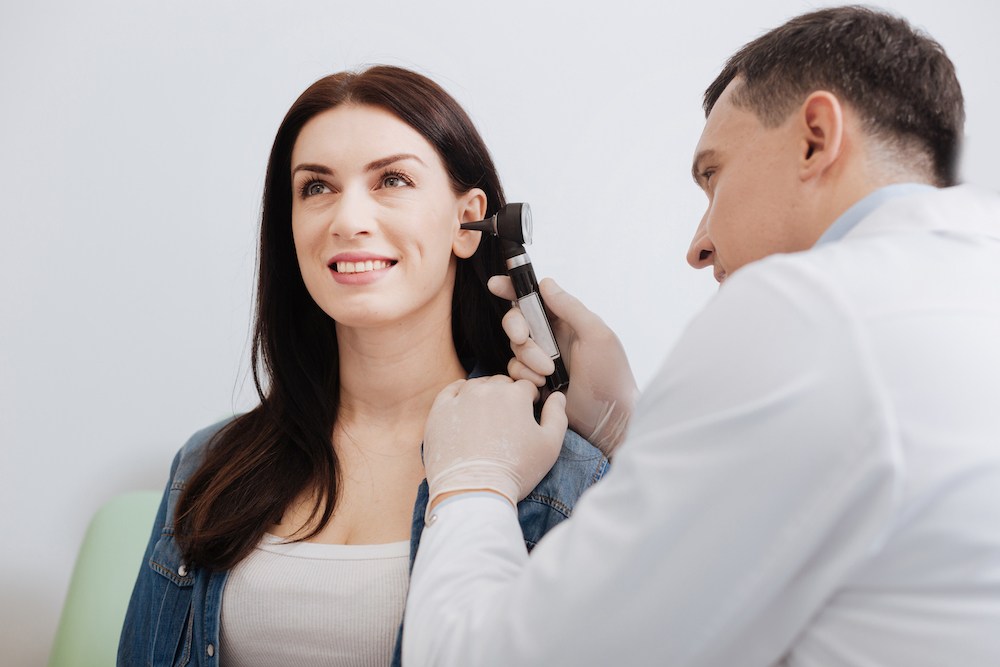
A typical hearing health checkup during the winter starts with a conversation between you and a professional audiologist about your hearing history and any concerns you might have noticed. This discussion helps guide the evaluation and ensures your specific needs are addressed. From there, a series of tests may be performed to measure how well you hear different tones and speech at various volumes.
The goal is to get a clear picture of your hearing across a range of situations, from quiet rooms to environments with background noise. These assessments provide the foundation for understanding your hearing health and identifying any areas that may need attention.
Once the tests are complete, your audiologist reviews the results with you. They explain what the findings mean in everyday terms and discuss potential next steps if any changes are detected.
This could include simple monitoring, strategies to protect your hearing or options for hearing aids. Winter checkups are a convenient way to start the year with a clear understanding of your hearing, giving you the chance to address any concerns before the busier months arrive.
Regular evaluations help maintain your hearing health and provide peace of mind as your daily routines and environments change throughout the year.
Cold weather can affect your ears in ways you might not always notice, but a few simple steps can help protect your hearing. Wearing hats, earmuffs or headbands that cover your ears helps keep them warm and shields them from harsh wind.
Avoiding prolonged exposure to freezing temperatures can reduce discomfort and prevent issues like stiffness or mild irritation in the ear canal. Keeping your ears dry is also important, especially after being out in snow or rain, since moisture combined with cold can create problems over time.
These small habits make it easier to enjoy winter activities without putting extra strain on your hearing.
Wearing hats, earmuffs or scarves helps shield your ears from cold temperatures and wind. Exposing your ears to chilly air for long periods can cause discomfort or even ear infections.
Covering your ears keeps them warm and reduces the risk of problems. Choosing soft, comfortable materials makes it easier to wear hats or earmuffs for longer periods, supporting better ear comfort throughout winter.
Paying attention to your hearing health throughout the year helps you notice changes early and stay ready for each season.
A good plan includes scheduling regular checkups with an audiologist, tracking any changes in how well you hear, protecting your ears from loud noises and extreme weather and caring for hearing devices as needed. Making these habits part of your routine helps you stay connected with family and friends no matter the season.
Winter provides an opportunity to focus on your hearing health without the rush of busier seasons. Noticing changes now and scheduling a checkup helps you enjoy clearer conversations and stay connected as social activities increase in spring.
If you have noticed changes in your hearing or want guidance on maintaining your hearing health, Audiology Center at ENT Physicians in Tupelo, MS, is here to help. Call us today at (662) 269-1312 to schedule an appointment. Staying proactive supports better hearing and communication through every season.
Winter can be a practical time to focus on your hearing health. The slower
By: admin | January 19, 2026

Physical activity plays a vital role in maintaining your overall health,
By: admin | November 18, 2025
Your hearing affects more aspects of your daily life than you might
By: admin | September 24, 2025